Beyond the Cysts: Why Insulin Resistance is the Real Engine Behind PMOS

Updated: 3 days ago
If you’ve heard the term PMOS (Polyendocrine Metabolic Ovarian Syndrome) replacing the outdated term PCOS, there’s a good reason. The medical community is finally acknowledging what women have known for years: this isn't just an ovarian issue, it’s a root-cause metabolic and endocrine imbalance.
At the center of PMOS for up to 80% of women is insulin resistance. Understanding how insulin drives your hormonal symptoms is the key to stepping off the daily metabolic roller coaster.

How Insulin Resistance Triggers the PMOS Hormonal Cascade
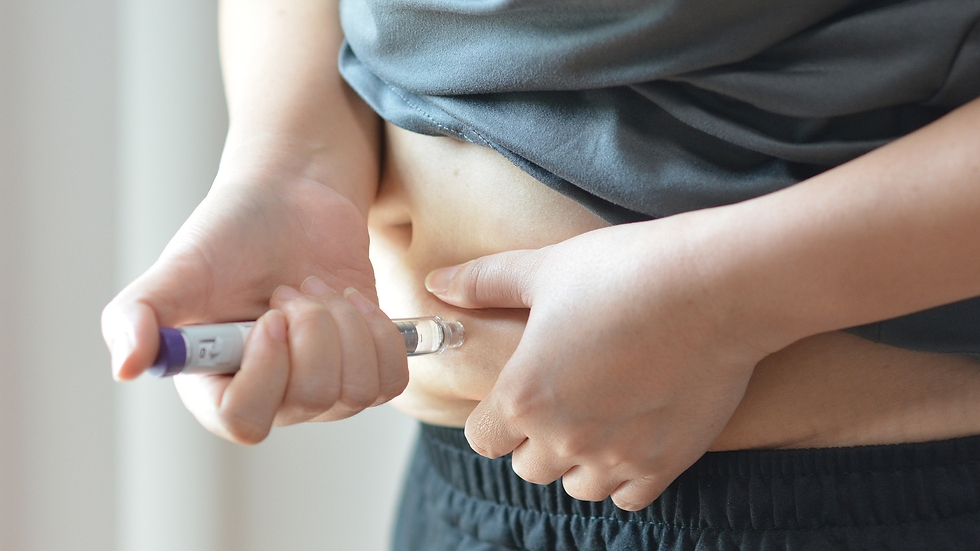
Insulin is your body’s master storage hormone. When your cells become resistant to insulin, your pancreas pumps out higher amounts to force glucose into your cells. Chronically high circulating insulin triggers three distinct domino effects:
1. The Androgen Spike
High insulin signals the ovaries to overproduce androgens (like testosterone). This excess androgen activity is what causes classic PMOS symptoms: persistent jawline acne, hair thinning on the scalp, and unwanted facial hair (hirsutism).
2. "Food Noise" and Sugar Cravings
When cells can't efficiently absorb glucose, your brain thinks you’re starving. This creates intense "food noise" (persistent, intrusive thoughts about high-carb or sugary foods) and sudden energy crashes after meals.
3. Stubborn Weight Retention
Insulin is a anti-catabolic storage hormone. Elevated insulin levels lock your body in energy-storage mode, making weight loss around the midsection particularly stubborn despite consistent diet and exercise.
The Gut-Hormone Connection in PMOS
Insulin sensitivity doesn't happen in isolation, it is deeply tied to your gut microbiome.
Microbiome Diversity: Imbalances in gut bacteria (dysbiosis) can heighten systemic, low-grade inflammation, which directly worsens cellular insulin resistance.
Hormone Metabolism: A healthy gut microbiome helps metabolise and clear excess hormones like oestrogen and androgens. When digestion slows or bloat occurs, recycled hormones can re-enter circulation and exacerbate hormonal imbalances.

How to Support Insulin Sensitivity & Balance PMOS Naturally
Treating PMOS requires supporting both cellular metabolic pathways and gut health simultaneously.
Pair Carbs with Protein & Fats: Never eat "naked" carbohydrates. Pairing carbs with fiber and protein blunts glucose spikes, keeping insulin levels steady.
Prioritise Inositol Therapy: Myo-Inositol and D-Chiro-Inositol are naturally occurring compounds that act as secondary messengers for insulin signaling. When taken in the body’s natural 40:1 ratio, they help cells absorb glucose more effectively, lowering circulating insulin and reducing unwanted androgen production.
Target the Microbiome: Incorporating targeted probiotic strains helps strengthen the gut barrier, reducing the systemic inflammation that drives insulin resistance.
Daily Support: FTF Hormone Synergy
Formulated specifically to address the metabolic and endocrine root causes of PMOS, Hormone Synergy provides comprehensive daily support in a single drink:
Physiological 40:1 Inositol Blend: Combines Myo-Inositol and D-Chiro-Inositol in the clinically studied 40:1 ratio to support normal insulin sensitivity, lower androgen spikes, and curb food noise.
Multi-Strain Probiotic Blend: Nurtures the gut-hormone axis to ease hormonal bloat, support smooth digestion, and reduce gut-driven inflammation.
Cycle & Mood Harmony: Helps promote ovulation regularity and balanced mood states without synthetic fillers or sugar.
For more info on how Hormone Synergy's ingredients each specifically support PMOS, visit our FAQ section.

Comments