What to Eat on GLP-1: Essential Foods to Prevent Nutrient Deficiencies

Updated: 3 days ago
When starting GLP-1 medical weight-loss therapy, appetite suppression typically reduces daily food intake by 40% to 60%. While this supports weight-loss goals, reduced food volume makes it far easier to develop nutrient shortfalls.
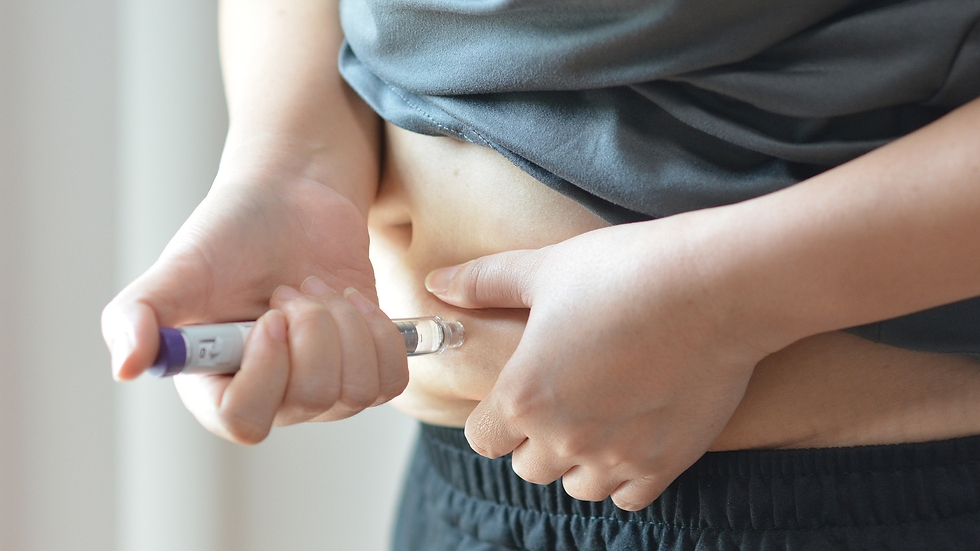
To maintain energy, protect lean muscle mass, and keep digestion comfortable, your meal plan must prioritise nutrient density over volume. Here are the core food groups to include, and the specific deficiencies they help prevent.
1. High-Quality Protein (Preserving Lean Muscle Mass)
As high as 25% to 33% of weight lost during GLP-1 therapy can come from lean muscle tissue rather than fat. Muscle tissue dictates your baseline metabolic rate, making daily protein intake your highest priority.
Foods to include: Chicken breast, lean red meat, eggs, fish, and high-protein dairy like Greek yoghurt or cottage cheese.
Why it matters: Consistent protein intake helps maintain lean muscle mass and keeps satiety stable without overwhelming your digestive system.
2. High-Fibre & Prebiotic Foods (Preventing Digestive Slowdown)
GLP-1 medications slow gastric emptying. While this keeps you feeling full longer, it can lead to sluggish digestion or constipation if fibre and fluid intake decrease.
Foods to include: Chia seeds, flaxseeds, raspberries, leafy greens, oats, and lentils.
Why it matters: Dietary fibre supports regular bowel motility and feeds beneficial gut microbes to maintain comfortable digestion.
3. Hydration & Electrolyte-Dense Foods (Preventing Dehydration)
A suppressed appetite often dampens natural thirst signals. Additionally, lower carbohydrate intake prompts the body to shed water along with essential minerals.
Foods to include: Cucumbers, celery, watermelon, spinach, kombucha, and kefir- or coconut water.
Why it matters: Combining fluid-rich foods with natural minerals (sodium, potassium, magnesium) helps guard against fatigue, headaches, and muscle cramps.
4. B-Vitamin & Micro-Nutrient Sources (Targeting Thiamine Shortfalls)
Significantly reduced food intake rapidly drains water-soluble vitamins, particularly Thiamine (Vitamin B1) and Vitamin B12. Thiamine is vital for converting food into cellular energy and supporting nervous system function.
Foods to include: Nutritional yeast, sunflower seeds, eggs, fortified cereals, and lean meats.
Why it matters: Maintaining adequate B-vitamin intake guards against the sluggishness and brain fog that often accompany rapid calorie reduction.
Bridging the Gap: Daily GLP-1 Support
Meeting 100% of your daily micronutrient requirements through food alone can be difficult when appetite is low. Our supplements doctor-formulated dietary support engineered to complement your weight loss efforts:
Metabolic Synergy: Formulated as a daily companion drink for medical weight-loss programmes. It delivers a clinical 3g dose of Creatine Monohydrate to protect lean muscle mass, 50mg of Thiamine (B1) to safeguard against nutrient depletion, Vitamin D3 paired with Vitamin K2 (MK-7) to support bone density and immune system function, gentle Magnesium Bisglycinate to avoid stomach upset, essential electrolytes, and a full activated B-complex.
Hormone Synergy: A daily drink powder combining Myo-Inositol, D-Chiro-Inositol, and a multi-strain probiotic blend. It can be safely taken alongside GLP-1 weight-loss therapy to support gut health and manage hormonal bloat.
D3K2 Precision-Dosed Drops: Liquid Vitamin D3 paired with Vitamin K2 (MK-7) to support bone density and immune system function.
For more info on how each option could support your journey, visit our FAQ section or product pages.


Comments